
Death as a Journey
Dr. DeathThis flow traces how Mate's travel language masks ethical questions about choice, suffering, and the power to end a life.
increasing Bearing strength in each event
 decreasing
Bearing strength in each eventdecreasingA Euphemism Emerges
The Language of Passage
Mate's Chosen Words
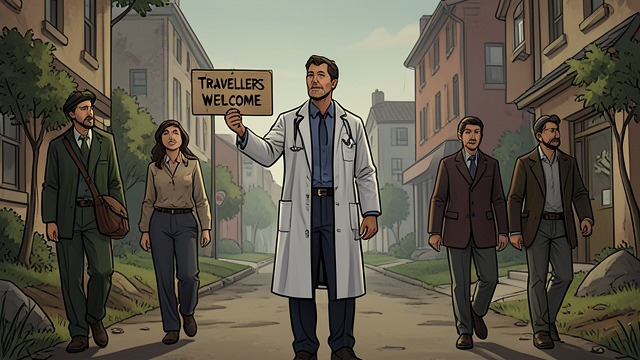
Mate calls the people he helps die travelers and describes death as a journey.
A Softer Surface
The metaphor reduces the harshness of killing while making the doctor sound like a guide.
Families Defend the Choice
Relief and Gratitude
A Different Judgment
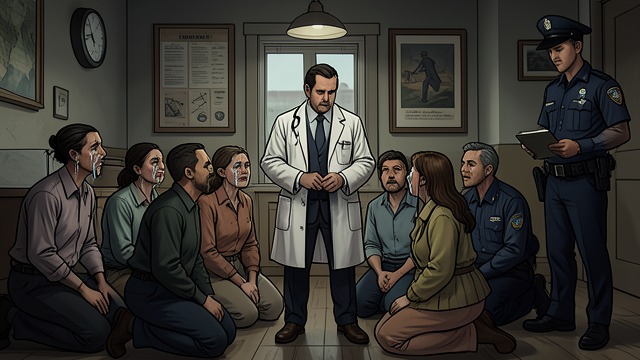
Relatives tell police that Mate ended unbearable suffering when conventional medicine failed.
Moral Complexity
Their gratitude complicates the easy claim that Mate was simply a murderer or a saint.
Zoghbie's Wider Claim
Beyond Consent
A Radical Proposal
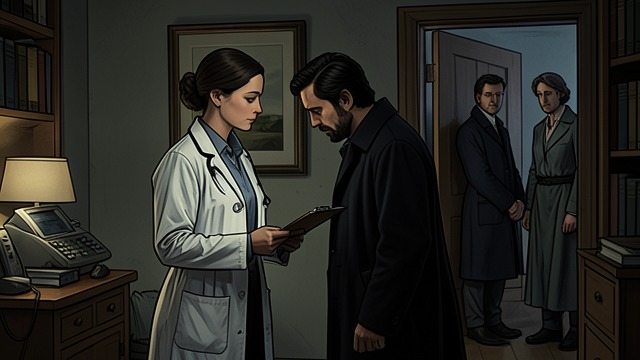
Alice Zoghbie argues that some people unable to choose should still be judged eligible for death.
The Dangerous Slope
Her position exposes the difference between helping a person who asks and deciding for another.
Joanne's Unclear Eligibility
No Diagnosis, No Answer
The Medical File
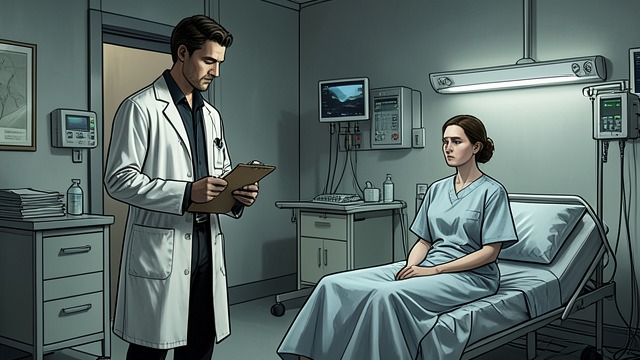
Joanne's extensive testing produces mostly negative findings and no settled diagnosis.
A Difficult Question
Her suffering is real, but the absence of a diagnosis complicates the question of what Mate believed he was treating.
The Right to Decide
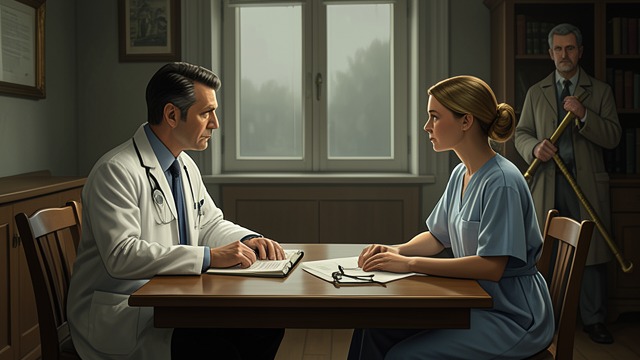
Choice and Responsibility
Alex's Uncertainty
Alex considers whether Joanne's decision mattered more than Mate's motives or medical judgment.
No Clean Verdict
The novel leaves assisted death morally unresolved, insisting that compassion and power can coexist.
Before the novel begins
During Milo's early interviews
During Milo's interview with Alice
During Alex's review of her medical records
Near the end of Alex's investigation
